In my family, receiving a stunning, brand-new briar pipe is always a wonderful occasion! However, the break-in is more than simply a way to avoid burnout; it’s a beautiful, slow process that turns a piece of raw root wood into your ideal, heat-resistant companion. Some people may casually tell you to “just smoke it,” but my years of experience and trial-and-error have taught me that creating the ideal microenvironment inside your new briar is a truly delicate craft.
That’s precisely how I get that flawless smoke each and every time!
The Magic of the “Cake”
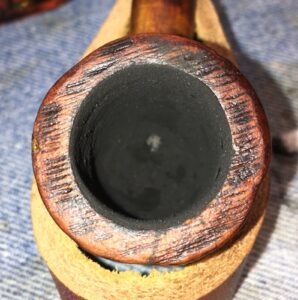
The “cake,” as we pipe enthusiasts refer to it, is much more than just leftover smoked tobacco in the bowl. It is an incredibly intricate carbonised matrix of ash, rich tobacco oils, and organic sugars that sticks tightly to the briar‘s porous walls. This enchanted coating serves as a crucial thermal insulator, absorbing heat and preventing charring of the wood’s original cellular structure.
A well-prepared cake should have the density and hardness of a pumice stone! Using only dry-burning Burleys or straight Virginias (like Orlik Golden Sliced or Mac Baren HH Pure Virginia) for the initial important bowls is the key to getting that amazing texture. Note: For your first dozen bowls, absolutely avoid the thick, gooey aromatics! The parts that never fully burn will adhere to the ash and produce a spongy, sour-tasting cake that won’t shield the wood. We’d like to show off that natural shuck!
The Great Bowl Debate: Why I Adore the “Full Bowl” Approach
When I first started, I tried the standard “thirds” or “fourths” method, filling the bowl a quarter of the way for a few days, then half, in an effort to gradually build the cake from the heel up.
But with time, I’ve grown to love the “Full Bowl, Slow Smoke” method! Here’s why: smoking a small portion of a bowl releases intense heat right at the heel, which is the most sensitive region of the pipe, without the thermal bulk of a full chamber of tobacco to absorb that energy. I even pack the entire bowl slightly looser than usual, tempering the entire chamber from day one. It completely changes the game!
My Hidden Method for a Caramelised Coating
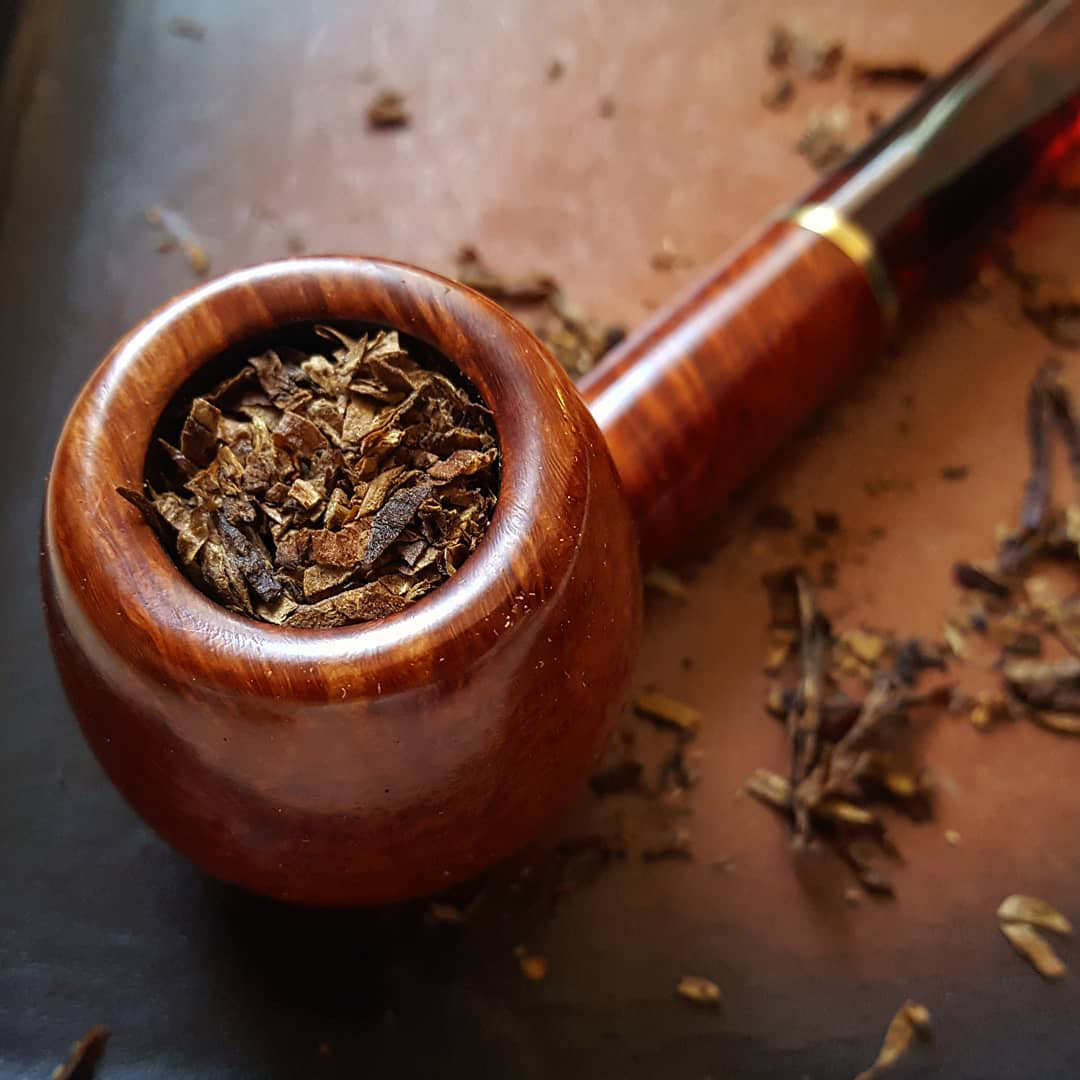
While some purists prefer to burn raw briar meticulously, I firmly believe in using a small amount of traditional organic accelerant. I like to cover the naked chamber with a tiny, paper-thin spread of honey combined with a drop of water (or even buttermilk!). As soon as you light it, it caramelises, creating a gorgeously sticky surface for the ash to adhere to!
My Expert Advice for Optimal Heat and Maintenance
Keep these on hand during your break-in process; you’ll love the results!
The Cheek Test
Severe heat is your worst enemy. The cheek test is my golden rule. Put the bowl down if it is too hot to hold to your cheek. The pipe never wants to be lighted again!
Keep It Bone-Dry
During the break-in process, raw briar acts as a sponge, actively absorbing moisture before the cake sets properly. You’ll completely ruin your carbon base with a wet heel. If your pipe can take them, 6mm balsa wood filters or 9mm activated charcoal filters are excellent for absorbing moisture during the first few weeks.
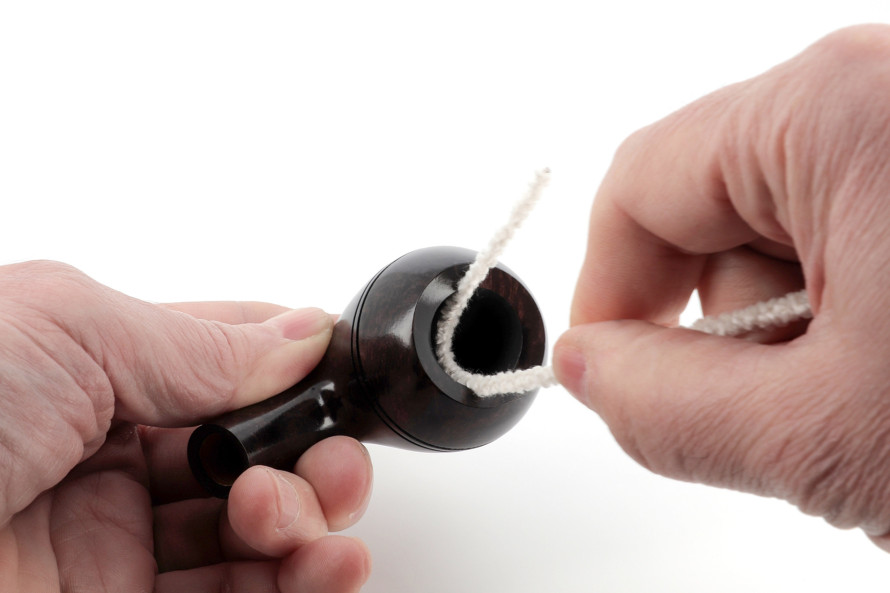
A Deeper, Sweet Clean
I prefer to run a pipe cleaner dipped in a homemade mixture of Everclear and a dab of hazelnut liqueur into the airway to remove thick tars from the mortise and draft hole without leaving a harsh chemical ghost. It smells wonderful and cleans well!
Polish and Shine
Variations in temperature can seriously deteriorate a fresh finish. The wood will breathe perfectly and be shielded from your hands’ natural oils if the outside is regularly polished with pure, food-grade Carnauba wax.