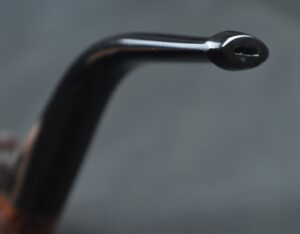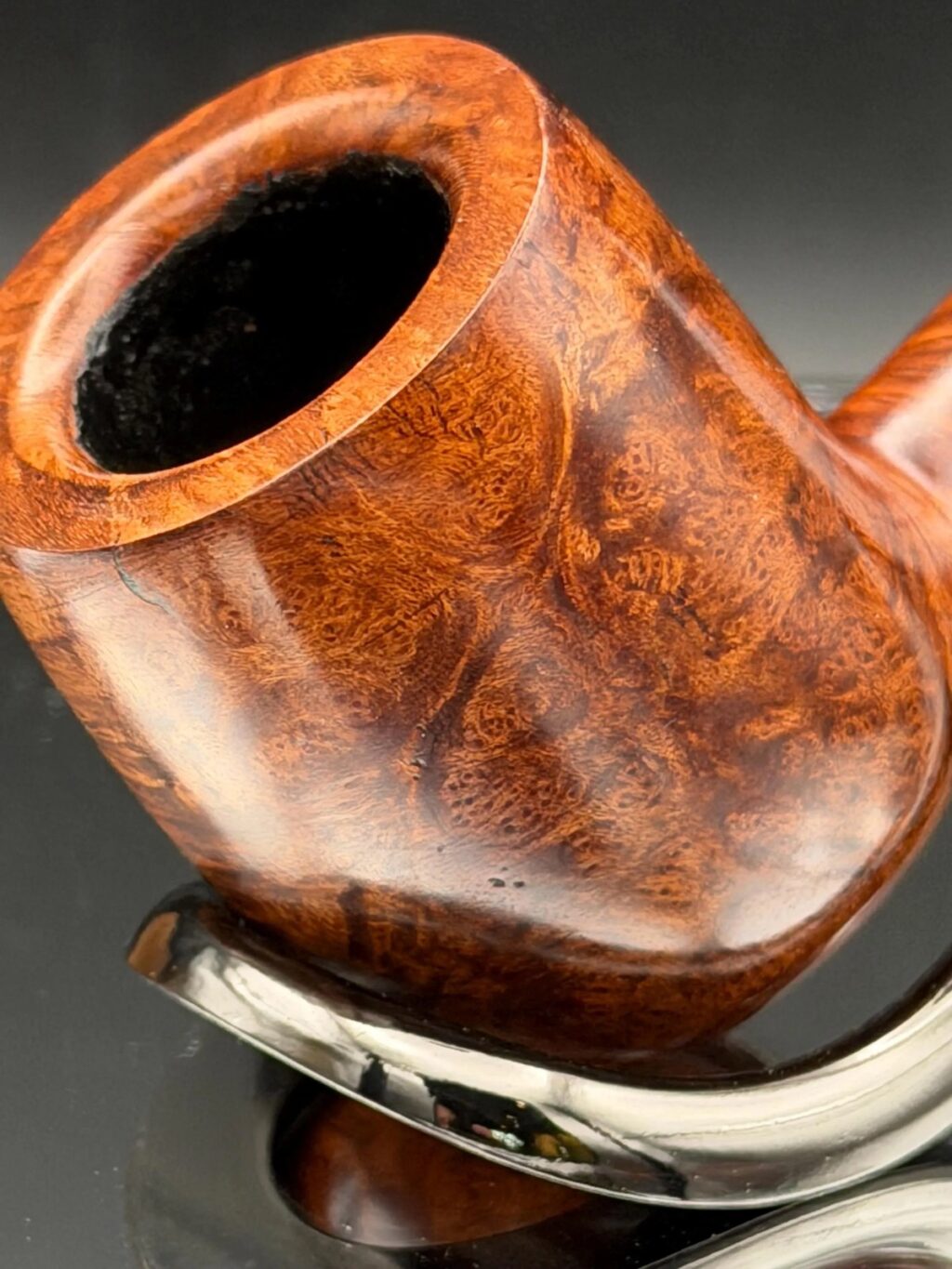
Learning how to wax a briar pipe is the simplest way to bring old briar back to life — here is how I do it with T1 carnauba wax.
Why Carnauba Wax Makes the Grain Pop
Recently, I have become completely concerned with the restoration and maintenance of my briar pipes! The other day I rewaxed an old pipe, and after I finished polishing it, the “bird’s-eye” and “flame” grain patterns seemed to pop right out, as if by magic. A friend of mine who doesn’t smoke at all saw it and her eyes lit up; she said it was a wonderful piece of art! (I sure wish I had taken a picture of the look of amazement on her face!) This is all possible thanks to the excellent T1-grade Carnauba wax, and the effects are outstanding.
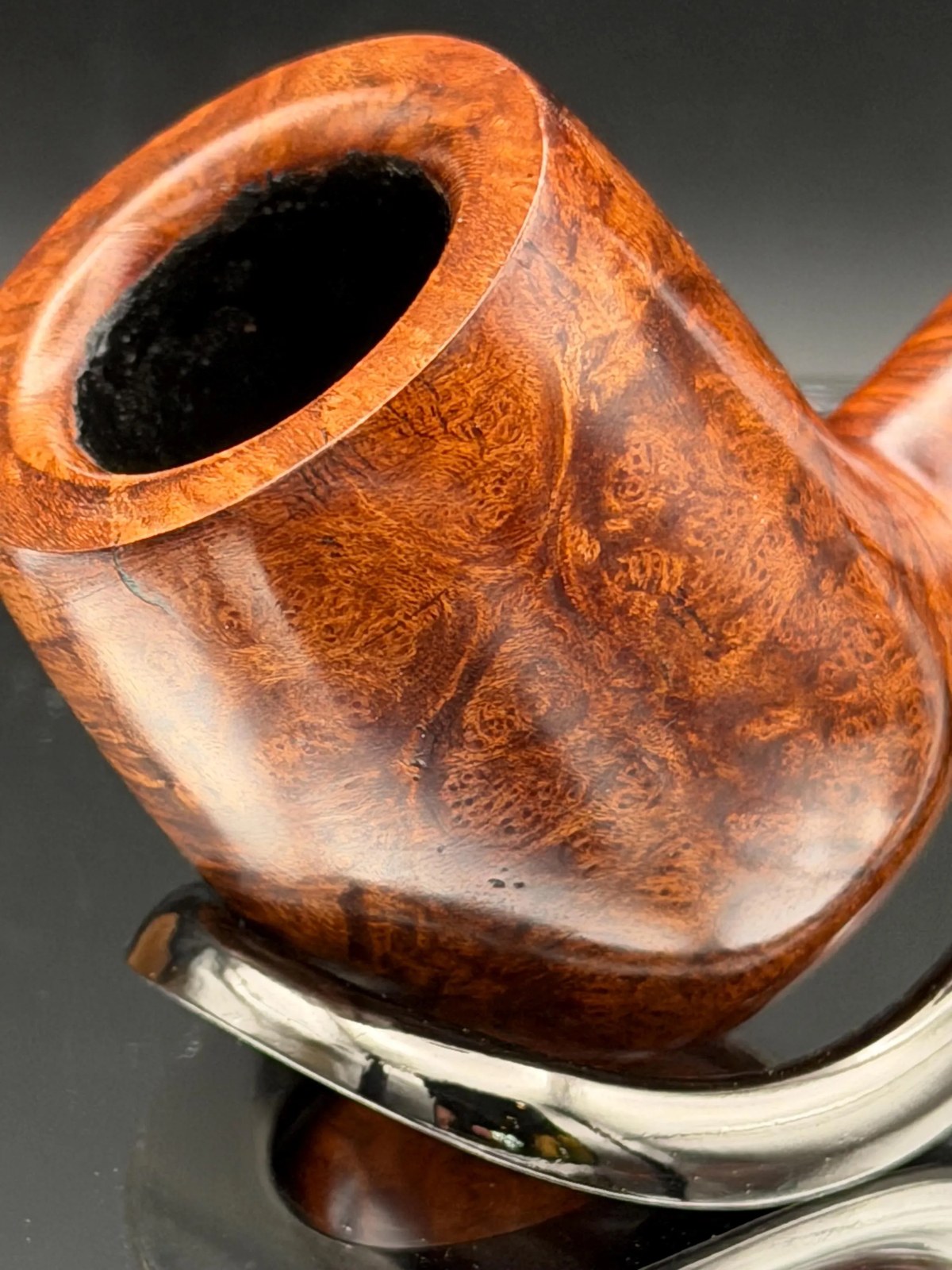
Does Wax Block the Pores? Quite the Opposite
Many people think waxing blocks the pores of the wood, but the exact reverse is true! Grade T1 Carnauba wax is heat resistant and functions as an invisible optical lens that flawlessly magnifies the natural grain of the briar. It doesn’t “suffocate” the wood like heavy, thick varnishes do — your cherished pipe can still “breathe” freely.
Not only would it catch airborne dust, but it would also plug up the small pores of the briar, preventing the wood from releasing moisture adequately. Quite the opposite. Carnauba wax of T1 grade is stable at high temperatures. It works like an optical lens, magnifying the attractive “birdseye” and “flame” grain patterns of the briar, without blocking the pores of the wood as a heavy lacquer would do, enabling the pipe to “breathe” freely.
The Bench Buffer: Speed, Temperature and the Less Is More Principle
Machine polishing is an art based on heat from friction. With a loose flannel (or Canton cotton) buffing wheel 6 or 8 inches in diameter, the motor speed must be closely maintained and should never exceed 1,725 RPM (ideally between 1,200 and 1,750 RPM).
The golden guideline of polishing is “less is more.” Once the machine is running, contact the block of carnauba wax to the edge of the rotating buffing wheel for just one to two seconds. One of the most common (and significant) mistakes that beginners make is using too much solid wax on the buffing wheel. This will result in a tenacious build-up of white wax on the surface of the pipe, or the formation of ugly, wavy streaks.
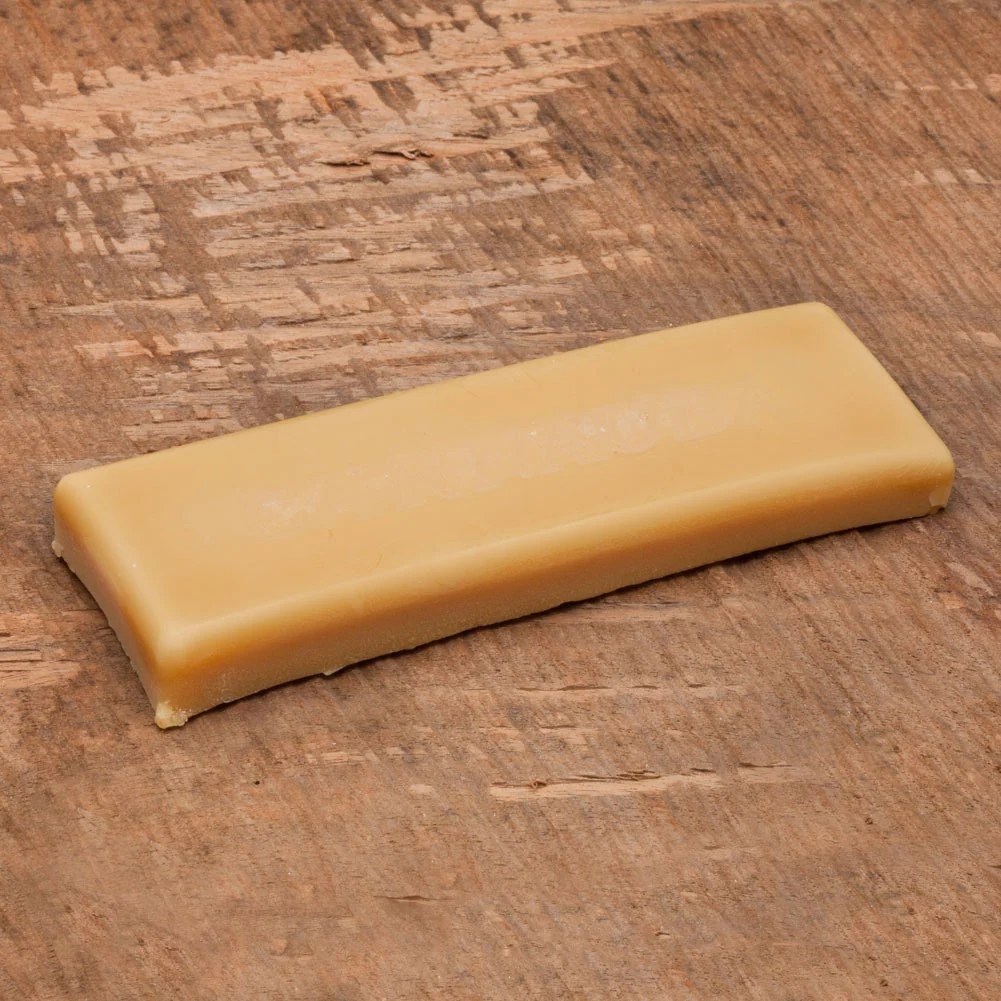
When buffing, the pipe should contact the lower portion of the wheel, the part that moves downward in a circular motion. Your hands need to be fluid, continuously moving the pipe about, changing your angles. Don’t stay in one location. The idea is to employ the heat generated by the high-speed friction at the edge of the buffing wheel to rapidly melt the carnauba wax so that it can be driven deep into the pores of the briar wood.
If you want to use a handheld rotary tool (Dremel, etc.) with a 1-inch (25 mm) wool or cotton buffing wheel, consider that the surface speed will be less than with a large bench-mounted buffer. You still have to run the tool on its lowest speed (5,000–7,000 RPM) to avoid localized overheating, which might cause irreversible damage.
The Other Way: The Warmth of a Hair Dryer and a Power Drill
Besides the typical bench-mounted buffers, you can achieve good results in waxing by regulating the temperature. First, using a hair dryer, heat the briar bowl evenly until the surface is warm to the touch (around 60°C).
When the wood pores are fully open and the surface is still warm, rub a block of pure carnauba wax or a carnauba wax paste directly onto the pipe. Allow the leftover heat to soften the wax for a moment to a semi-molten condition, then buff the surface gently with a soft cotton attachment on a power drill (on a low-speed gear).
What to Avoid: Abrasives and Textured Finishes
A subtle “contrast stain” highlights various machine-built pipes and quality handcrafted pipes in attractive color. The stain is alcohol-based and is applied to the surface. Do NOT use any abrasive polishing products (Tripoli or White Diamond type) when waxing or doing routine maintenance. An accidental use of a fine-grit abrasive, especially with too much pressure, or a buffing wheel that is too dry, creating too much frictional heat, will remove the high-contrast stain in an instant. This exposes the stark, pale wood beneath, and effectively kills the spirit of the pipe.
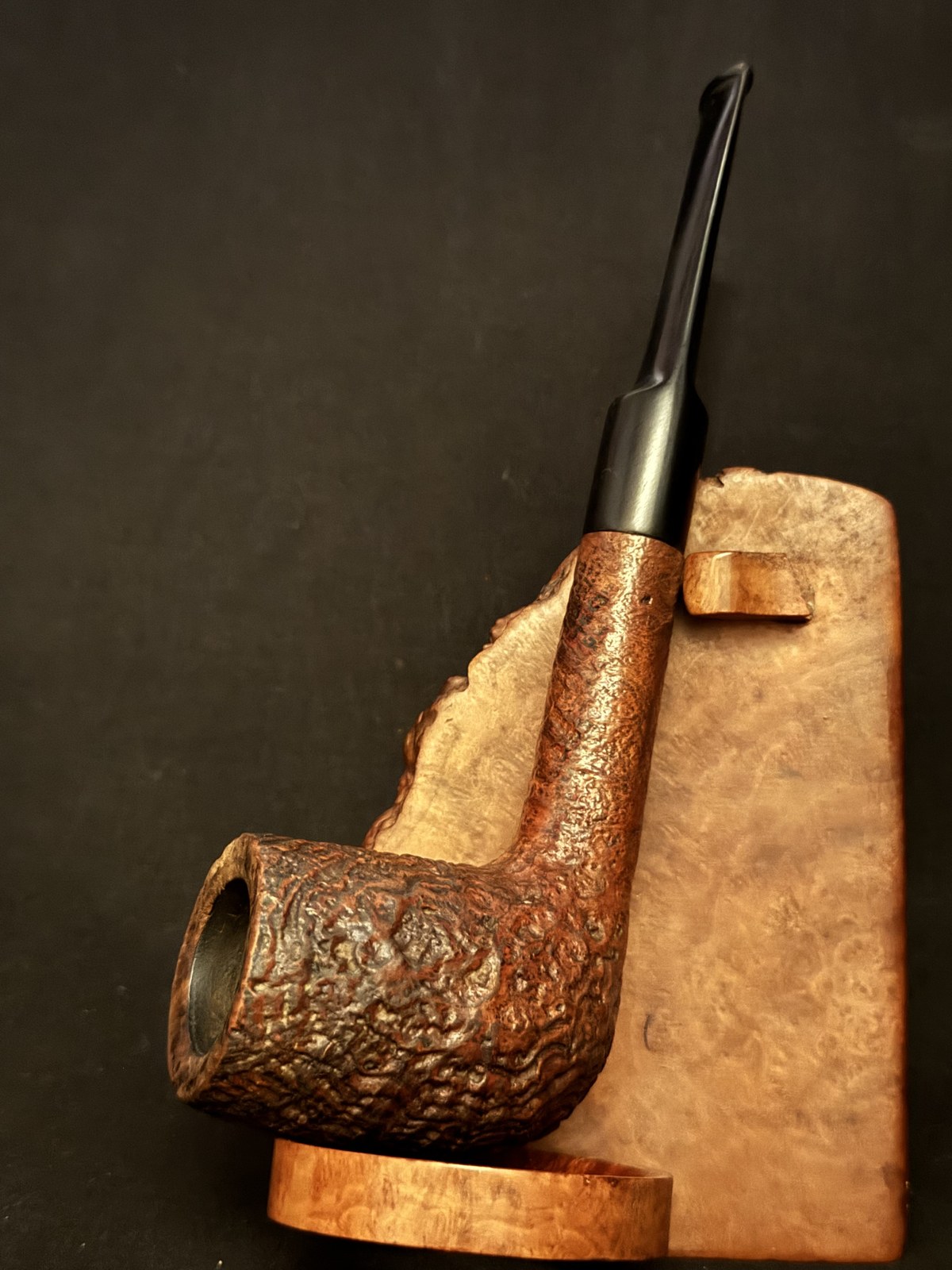
Also, sandblasted and rusticated pipes should never be touched by a mechanical buffing roller charged with solid carnauba wax. If you pour heated wax into the deep crevices of a textured finish, it will cool and harden into a tough, chalky white sludge that’s nearly impossible to get out, and you’ll be very sorry you made the mistake.