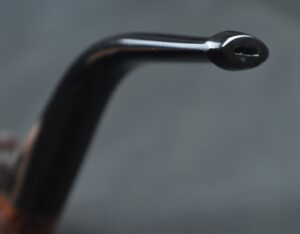
Every pipe smoker knows the look: a stem that used to be jet black slowly turns dull and brownish. That’s oxidation. You can’t stop it completely, but you can slow it way down — and to do that, it helps to understand where it starts: with how vulcanite is made.
What Is Vulcanite (Ebonite)?
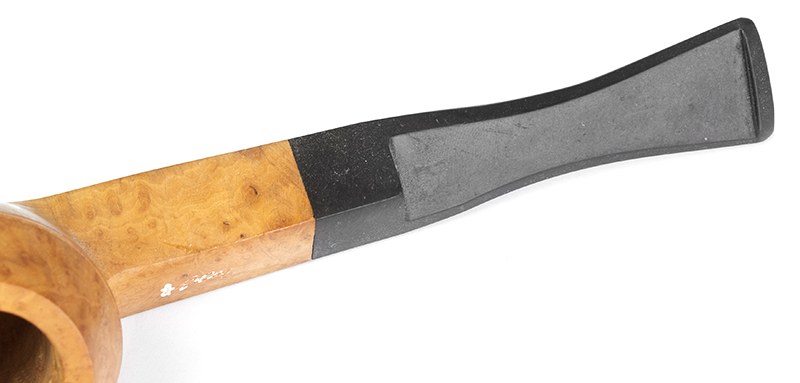
Vulcanite — also called ebonite — is made from rubber, sulfur and carbon. Combined and heated, the three react chemically; the sulfur makes the rubber more stable, and the finished product is vulcanite, the most common stem material there is. The sulfur content varies by maker and production method — generally no more than about 3%. Vulcanite starts oxidizing almost as soon as it leaves production, as the compounds bonded during manufacturing slowly break down. One thing worth knowing: vulcanite is most stable in complete darkness.
Once sulfur meets other substances and environments, it oxidizes — and the more triggers are around, the faster it goes. Those triggers include sunlight, water, oxygen, heat, saliva, the smoke from the pipe, even dust carried in rain.
Why Some Stems Oxidize Faster Than Others
How much sulfur a maker uses matters a lot. Vulcanite produced with 30% sulfur oxidizes far faster than vulcanite made with 10%. You can see the sulfur at work when you polish an oxidized stem: the dust left on the sandpaper is yellow.
That’s why sulfur content is an important factor when grading vulcanite. Some stems oxidize faster than others; high-grade vulcanite uses less sulfur in the vulcanizing process, so it resists oxidation and ages more slowly than comparable products. You can control oxidation, but you can’t prevent it entirely — so the smart move is to head it off before it starts. Store your pipes in a cabinet or a dedicated pipe bag.
How to Store Your Pipes to Slow Oxidation
Storing your pipes that way helps twice over. First, it shields the stem from light, both natural and artificial — both kinds speed up oxidation, and vulcanite is most stable in total darkness. Second, it gives the pipe a dry, cool environment, and that’s crucial: warm, humid conditions are the fastest route to oxidation. In a damp environment, the sulfur in vulcanite can even convert to sulfuric acid.
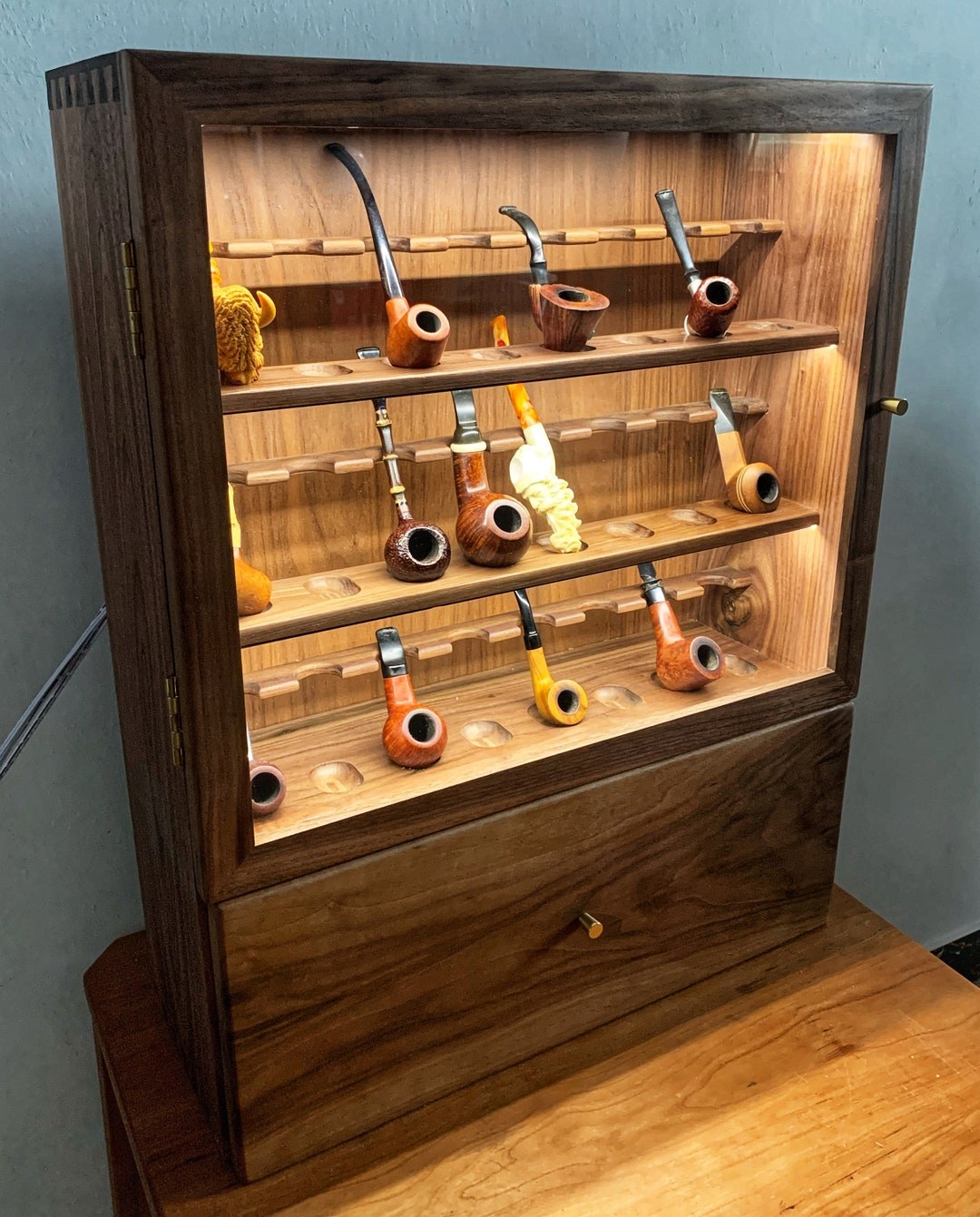
How to Clean an Oxidized Stem
For cleaning, a bleach soak is the recommended method. The bleach solution attacks the oxidized material across the whole stem, brings back vulcanite’s natural black appearance, and disinfects and sterilizes at the same time. Next, use pipe stem oil and let it soak into the vulcanite. Stem oil not only restores the deep black color — it also slows the oxidation process itself. Vulcanite is basically porous, so the longer the oil stays on, the deeper it penetrates the stem.
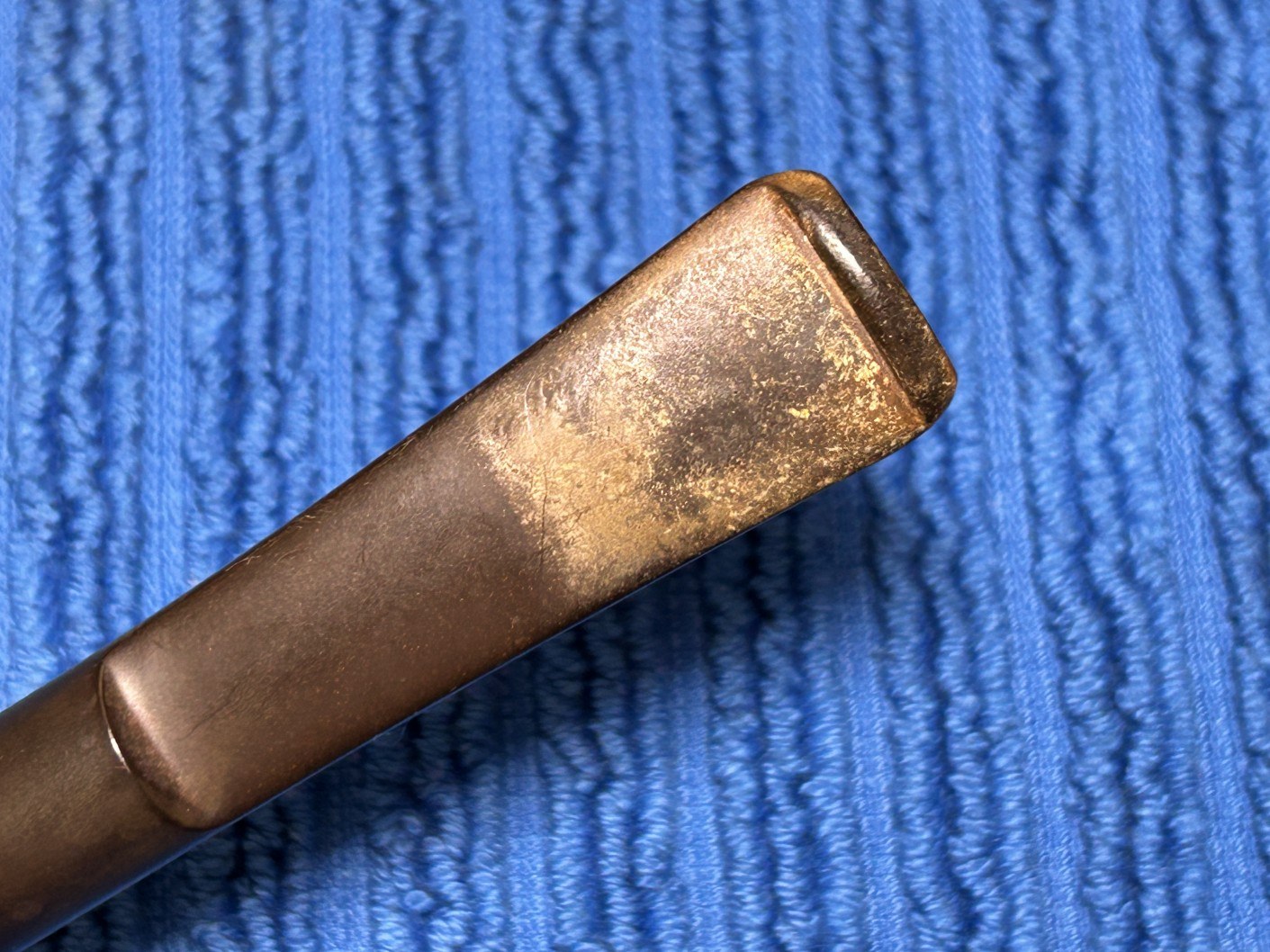
After every smoke, take a little time to clean the pipe: wipe it down carefully, use a small amount of polish or a polishing cloth, then put the pipe away. Some people use toothpaste as a polish — we don’t recommend it. Toothpaste contains water, which speeds up oxidation and cancels out the wiping you just did. The acids in your mouth accelerate oxidation too, so wiping and cleaning the stem regularly really matters.