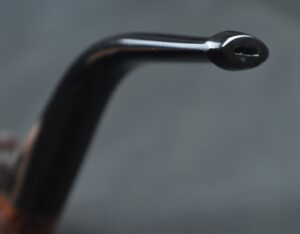
The story goes that when English pipes first hit the American market, plenty of American smokers complained: “Your pipes burn out after just a few bowls.” Americans tend to smoke boldly — big clouds, strong tobacco — and the slimmer English pipes just couldn’t take that kind of hard use. After that, pipes shipped from England to America came with a carbon layer inside the bowl.
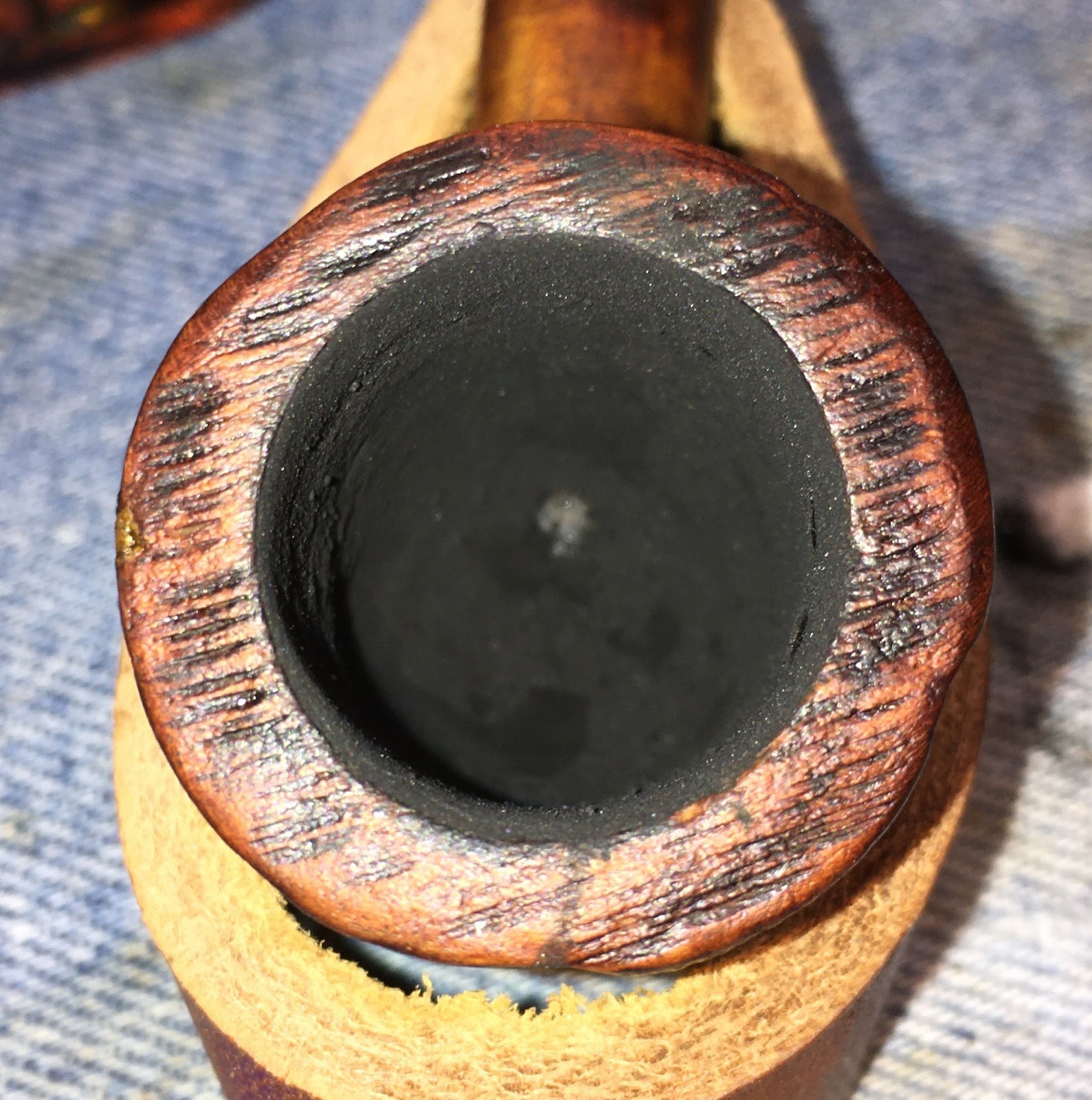
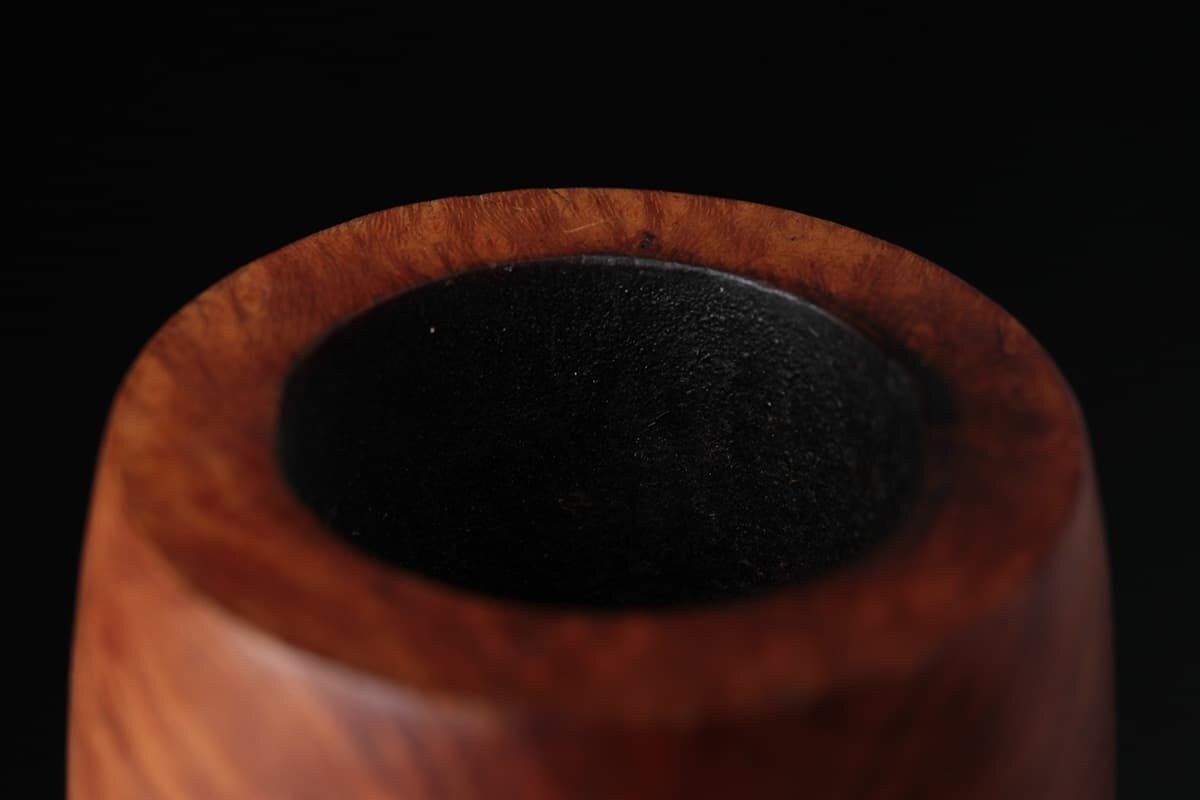
What Is a Pre-Carbonized Bowl?
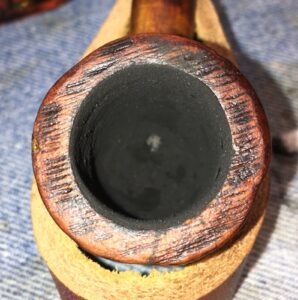
A tobacco pipe bowl coating is a thin carbon layer applied to the inside of the chamber before the pipe is ever smoked. Times have changed, and so has the craft of pre-carbonized bowls. What started as one simple technique with one simple purpose has grown into three different types. Plenty of pipe smokers still think of the new carbon layers the way they think of old Nordic masters and last century’s factory pipes — but the craft has moved on.
Why Carbonize a Pipe Bowl?
Two reasons. First, it helps break the pipe in — the briar wall heats up more gently, and the new cake forms more evenly. Second, it hides little flaws on the inside of the bowl, like small sand pits and dark spots — things that only spoil how a new pipe looks.
The 3 Types of Pre-Carbonized Bowls
Traditional-Style
This type is made much like the old traditional carbon layer, but modern pipe makers think about a lot more when they make it — for example, the “completeness” of the pipe. Many makers feel a pipe without a carbon layer looks unfinished, like they haven’t respected the customer. Modern traditional-style layers are also made with a lot more care than in the old days: finer, more detailed, with very little off-taste or none at all.
Consumable
This is a carbon-layer technique that high-end makers of the new era use a lot. This kind of layer disappears fast or slowly as you smoke the pipe, and the idea is easy to understand: plenty of makers believe that once the carbon layer has helped you break the pipe in, there’s no need for it to stick around — letting the tobacco touch the briar directly gives a clearer, more comfortable taste.
The ingredients are about the same as the traditional type, but the thickness and the mix are different — usually thinner and lighter. Some makers make this kind of layer so easy to wipe off with a finger that you get to decide for yourself whether you want a carbon layer at all.
Flavored
This kind isn’t new at all — old-school makers like Former are famous for it. But as the “next generation” of pipe culture has taken over, more and more makers are making flavored carbon layers. As the name says, this carbon layer is flavored by hand, so it mixes with the natural taste of the tobacco as you smoke and creates a subtle change in flavor.
It’s also the most controversial kind. Different makers flavor their layers to different standards, smokers have different tastes, and plenty of smokers want the natural taste of their tobacco untouched and unflavored. That’s why the makers who make flavored layers usually have a strong sense of purpose and real confidence — they know their audience is narrow. People who love it really love it, and people who don’t will stay far away.
The flavor in a flavored carbon layer usually fades as you smoke the pipe, but it almost never disappears completely.
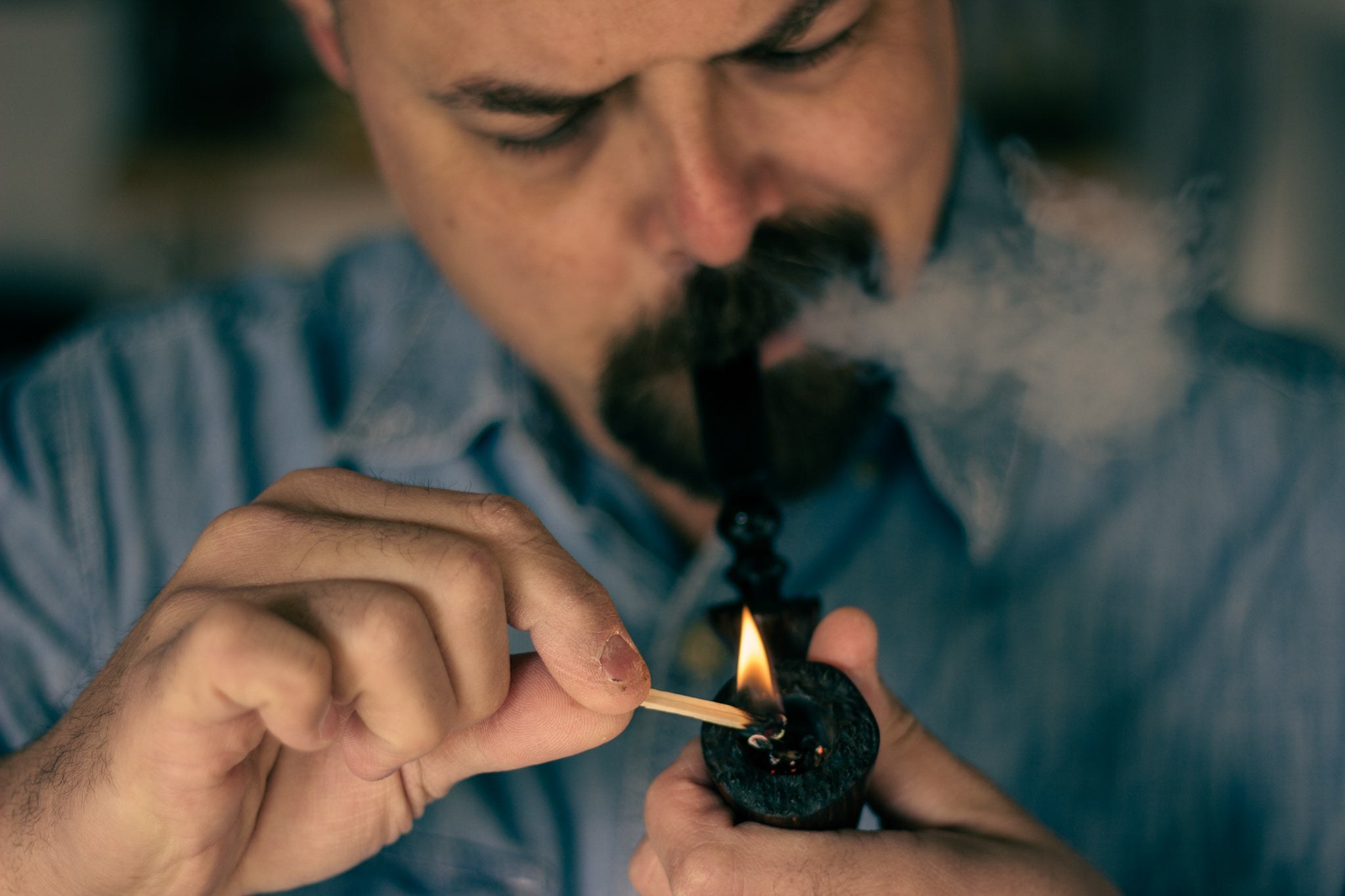
New to the pipe? Start with the mistakes every new pipe smoker should avoid — and learn why briar wood is used for pipes in the first place. And if you’re looking for your first pipe, a good place to start is with briar pipes.